


Hospitality
The platform takes a commission and keeps the customer.
Third-party platforms are a reasonable way to fill empty tables and rooms. They are an expensive way to run a business, because the guest relationship stays with them.
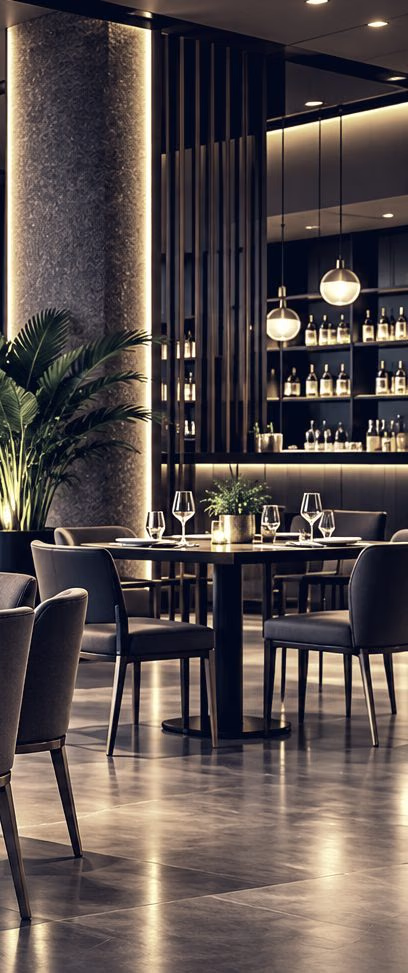
How the business actually runs
Before any software is discussed.
Most bookings arrive through a platform that charges per cover or per night and holds the guest record. Direct bookings come by phone or an enquiry form. The visit happens, the guest leaves, and the only way to reach them again is to buy their attention a second time — often from the same platform.
- Restaurants
- hotels
- lodges
- venues
- bars and event spaces
Where the money leaks
Four leaks we see in almost every one of these businesses.
Not generic inefficiency — the specific places where revenue, margin or time escapes a hospitality business.
- 01
Commission on demand you already created
A guest who found you through your own brand, then booked through a platform because it was easier, costs you a fee for a customer you had already won.
- 02
A guest list you do not own
Without your own record of who visited, what they chose and when, there is no way to invite them back except by advertising to strangers.
- 03
No-shows and empty covers
Unconfirmed bookings and zero-friction cancellation produce empty tables at peak. Deposits, confirmations and reminders shift the balance.
- 04
The second visit nobody asked for
The cheapest booking you will ever take is from someone who has already enjoyed the place. Most venues never ask.
The system
One connected flow, end to end.
Each stage feeds the next, and every stage is measurable. This is the shape of what we would build — the detail is decided with you.
- 01 Discovery
- 02 Direct booking
- 03 Confirmation
- 04 Visit
- 05 Guest record
- 06 Return
- Website with direct booking and deposits
- Guest CRM with visit history
- Pre-arrival and post-visit messaging
- Loyalty and membership
- Event and group enquiry handling
- Channel and revenue reporting
- Share of bookings taken direct
- No-show and cancellation rate
- Repeat guest rate
- Revenue per cover or per available room
A worked example
Illustrative, with the assumptions stated.
Assume
- Say a venue takes 1,200 bookings a month, two-thirds through platforms
- Commission applies to every platform booking
- The venue holds contact details for only a fraction of past guests
What changes
- A direct booking path good enough that guests prefer it, with deposits on peak slots
- Every guest — direct or platform — enters one record you own
- Confirmation and reminder sequences cut the no-show rate
- Returning guests are invited back on an occasion that fits their history, not a generic blast
Illustrative. Shifting even part of the booking mix to direct changes the economics materially, but the number only means something with your own mix in it.
Is this you?
Worth a conversation if any of these are true.
And worth saying plainly when they are not.
- Platforms take most of your bookings and most of your guest data
- You cannot contact last month's guests
- No-shows hurt at peak and nothing is done about them
- You run events or groups through email threads
If you are full every service with a waiting list, the work is yield and experience, not acquisition. A booking system will not add a table.
Further reading and other industries

Tell us how the business runs today.
We will map where the revenue leaks, show you the system that closes it, and say plainly if the numbers do not justify building anything.
Start a Project